Veterinary Technician Assistant

A Rewarding Career in Animal Care in Just 9 Months


Get Info Now

Course Duration

9 Months

Program Delivery

Online

Earn Your Certificate As a Veterinary Technician Assistant

College for Arts and Technology’s Certificate in Veterinary Technician Assistant offers you an opportunity to learn the applied skills needed to pursue a rewarding career in animal care. In only 9 months, you will be ready to enter this fulfilling industry and provide compassionate care and superior client service, and optimal patient care at any veterinary hospital.

This extremely well-rounded, applied program covers the key veterinary assistant skills you’ll need to get noticed and hired, including:

  • Animal anatomy and physiology
  • An understanding of dog and cat breeds including the history of the breed, physical characteristics, and common traits
  • A foundation in livestock and exotic animals
  • Medical terminology, veterinary office procedures, and client communication
  • Clinical, dental, and surgical procedures
  • Immunology and vaccines
  • Parasitology
  • Small animal nutrition
  • Welfare and animal behaviour
  • A foundation in pharmacology, diagnostic imaging, and toxicology

Our Grads Power the

Arts & Tech Economy


CAT’s creative and technical programs are directly connected to a creative sector that makes a $6 Billion contribution to the British Columbia economy every year. Graduates from our 2D and 3D animation, filmmaking, graphic design, audio engineering and other programs are among the over 120,000 skilled arts and tech workers employed provincially in this vibrant, constantly growing ‘creative economy’. Just in the past several years alone, CAT graduates were named in the credits for many high grossing films and musical scores, capturing numerous industry awards.
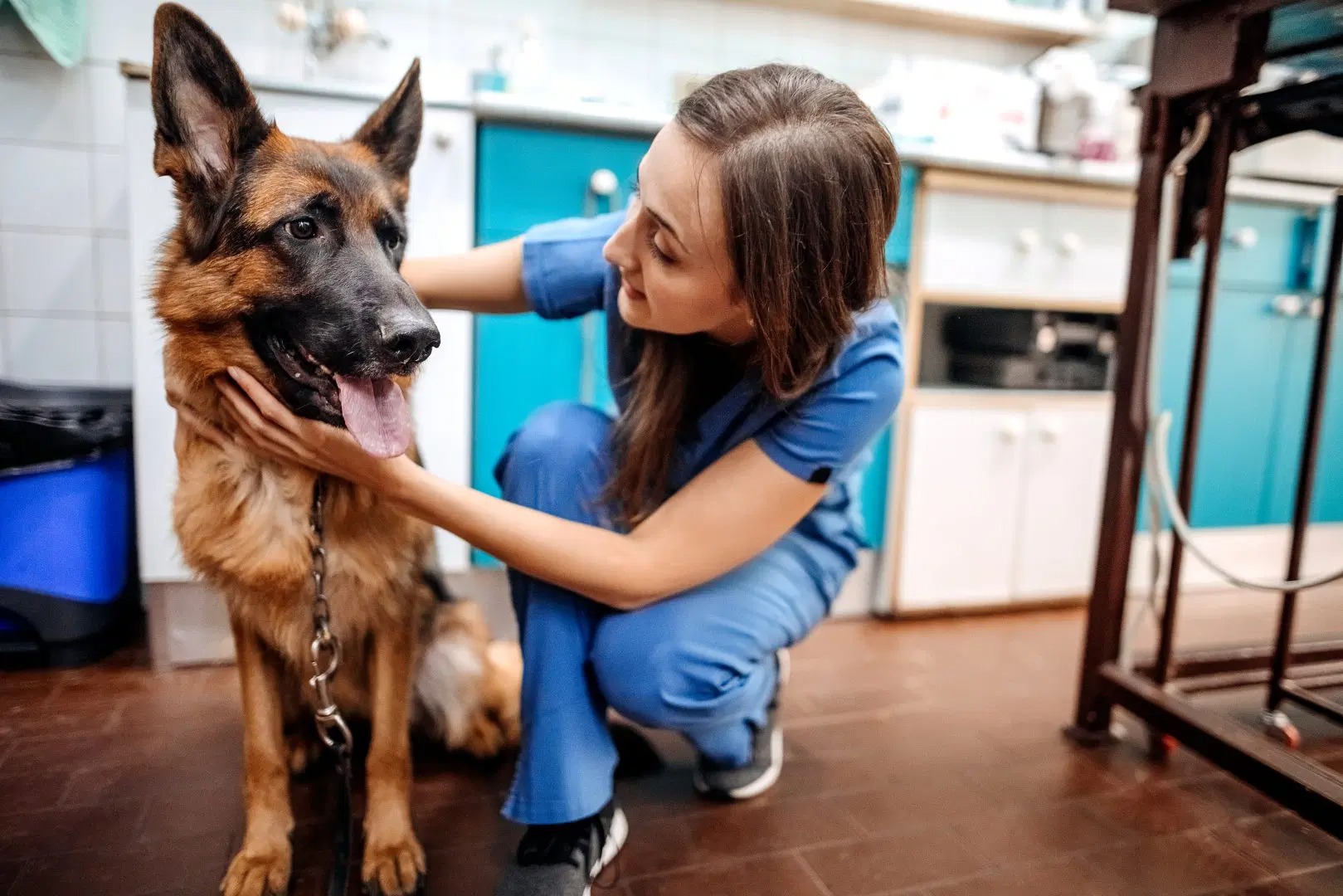
Start Your Career as a Veterinary Technician Assistant

Work in Animal Care


Get Info Now

01

Industry Connections

Veterinary industry professionals as your Instructors and mentors.

02

Let’s Get You Working!

Well-rounded, focused curriculum and job shadow opportunities to get you successfully working as quickly as possible.

03

Education at Your Fingertips

Earn your diploma online from the comfort of your home.

04

Top Tech

The latest technology, techniques and curriculum.

Here’s How You’ll Build Your Animal Care Skills

Quarter 1
In the first term of the Veterinary Technician Assistant program, students will gain a foundational understanding of animal anatomy and physiology, which will continue to be built upon throughout the program. Students will explore various domestic canine and feline breeds including their history, traits, and coat colours and patterns. Through a number of dedicated units, students will also have the opportunity to learn about various large animals and livestock such as: equine, bovine, sheep, goats, pigs, and poultry. Quarter one also introduces units on exotic animals including avian, rabbits, reptiles, and other small mammals. Students will begin to learn the vital, front-end responsibilities in a clinic such as appointment booking, invoicing, client interactions, and medical record keeping as well as a familiarity with two commonly used veterinary software programs. Lastly, students will also receive a foundation in veterinary medical terminology throughout the first Quarter.
Quarter 2
Quarter two will continue students’ understanding of anatomy and physiology, including the function of the nervous, digestive, respiratory, and urinary systems in animals. Students will learn about the various canine and feline infectious diseases, treatment, and prevention including vaccine schedules. Various internal and external parasites affecting canines and felines will be covered, along with commonly used products in the veterinary clinic. In the second Quarter, students will get a chance to learn about and perform various diagnostic tests such as urinalysis, fecal floatation, and blood smears. The procedure and importance of taking vital signs and how to properly handle and restrain animals in the clinic setting be introduced. Students will learn life stage dietary requirements of small animals, assisted feeding techniques, nutritional management of diseases as well as familiarize themselves with the veterinary-exclusive diets found in a clinic. Quarter two will also cover the basics of canine and feline animal behaviour as well as an introduction to various training techniques.
Quarter 3
In the final Quarter of Veterinary Technician Assistant, students will gain an advanced experience in veterinary hospital practices, explore various avenues in the animal welfare sector and build upon anatomy and physiology knowledge from the previous two Quarters. Animal welfare topics will include animals in captive settings (zoos and shelters) standards of care for livestock production animals, and an exploration of current animal welfare concerns. Students will receive in-depth training in diagnostic imaging including radiography, CT, MRI, and ultrasound scans. Students will be introduced to toxicology including commonly ingested toxins and applicable treatment methods including commonly used pharmacological protocols. An understanding of the fundamentals of dental procedures along with an introduction to surgical procedures will also be covered. Students will learn the identification and treatment of periodontal disease along with other canine and feline oral conditions. Students will explore commonly performed surgeries, instruments used in a clinic setting, aseptic techniques, sterilization, and foundations of anesthesia monitoring. Rounding out the final Quarter is a focus on practical experience including job shadow opportunities where students can apply their education and skills in a clinical environment.

Course Descriptions


What our grads are saying...


Experience the CAT Difference

Why the Best Choose Us

We understand that choosing a post-secondary school is a big decision that usually involves input from some of the most important people in your life. Tuition considerations, support after graduation and key industry connections – these are all part of choosing the best acting school for you. Here are a few reasons why you’ll be happy you chose College for Arts and Technology:


Finance Options

Hands-on, employment-focused education.


Employment-focused programs delivering the soft skills you need for lasting career success and hands-on experience with the latest, industry-standard techniques. Your acting career starts here!


More one-on-one time with your Instructors and mentors.


Small class sizes mean you get more facetime and critical feedback from your education team, to achieve real growth and success.

Personalized support from start to finish.


Financial guidance? We’ve got you covered. Career advice after graduation? We wouldn’t have it any other way. You’re more than a student number to us. We create a personalized experience that you won’t get anywhere else.


Quality you can fact-check.


College for Arts and Technology holds a full designation through Education Quality Assurance and the Private Training Institutions Regulatory Unit. You’ll only get the best at College for Arts and Technology.